 Back to News
 Jump to other articles:
- What Happens Post Approval? Malta vs Greece vs Portugal Residence Programs Compared
- Malta Permanent Residence Program: Costs, Requirements, and Application Steps
- IN THE MEDIA: Latitude Features In Impact Wealth Magazine
- IN THE MEDIA: Latitude Features In Clarin
- IN THE MEDIA: Latitude Features In IMI Daily
Malta Property Market: Rental Demand and Market Dynamics
Share:



Malta’s property market is often discussed in the context of ownership and capital growth. It is rental demand, however, that remains the most central component of the market’s overall dynamics.
Driven by a combination of local demand, international workforce mobility, and a growing services economy, Malta’s rental sector has developed into a fast-moving and highly active segment of the broader real estate landscape.
For internationally minded buyers, understanding how this rental market functions in practice is an important part of evaluating property ownership within the country.
A Market Supported by Consistent Demand
Rental demand in Malta is underpinned by several structural factors.
The country has experienced sustained economic growth in recent years, supported by sectors such as financial services, technology, gaming, and professional services. These industries continue to attract international professionals, many of whom rely on rental accommodation.
At the same time, Malta’s relatively small size, combined with ongoing population growth and inward migration, creates a consistent level of pressure on housing supply.
This combination of economic activity and demographic trends contributes to a rental market where demand remains relatively stable across different cycles.
A Fast-Moving Rental Environment
One of the defining characteristics of Malta’s rental market is its pace.
Well-positioned and competitively priced properties, particularly in central and coastal areas, are often let within a short period of time. In some cases, properties may attract interest within days of being listed.
This dynamic reflects both the level of demand and the relatively limited supply of high-quality rental stock in certain locations.
For property owners, this can result in relatively low vacancy periods. For tenants, it can create a more competitive environment, particularly in peak demand areas.
Location Matters: Variations Across the Island
As with the ownership market, rental demand in Malta varies significantly by location.
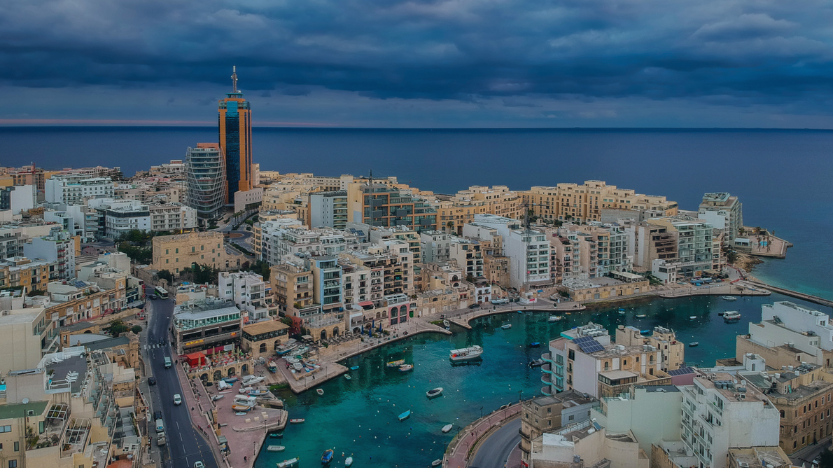
Sliema and St Julian’s
These areas remain the focal point of Malta’s rental market.
With a high concentration of international businesses, restaurants, and lifestyle amenities, they attract a large share of expatriate tenants. Rental demand here is typically consistent, with pricing reflecting the central location and proximity to the coast.
Central, Harbour, Northern Areas
Locations such as Swieqi, Gżira, and parts of Mellieħa also experience steady demand, often offering a balance between accessibility and slightly lower price points compared to the core coastal hubs.
These areas are frequently considered by tenants seeking proximity to business districts without the premium associated with prime waterfront locations.
Southern Malta
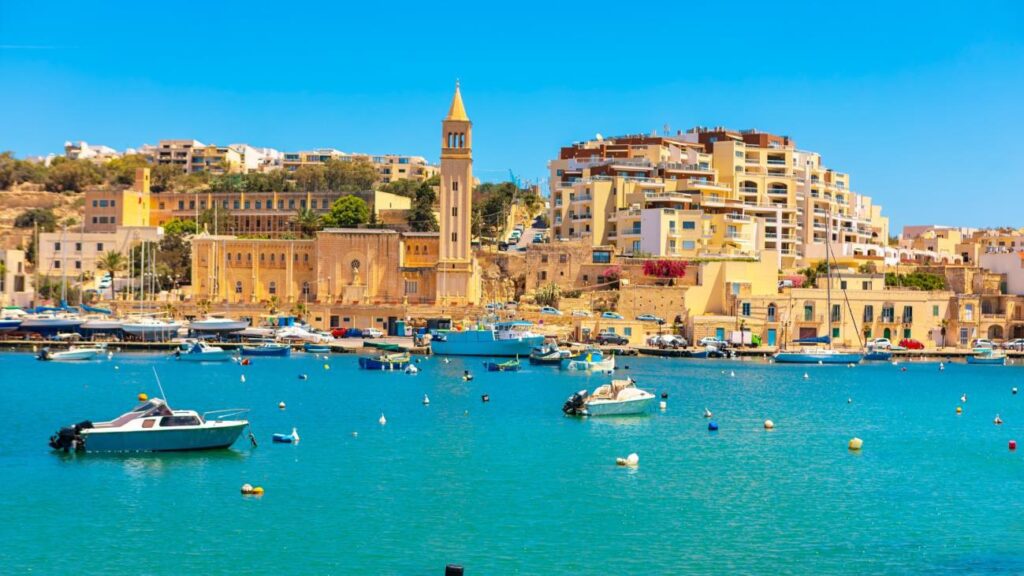
In the south, towns such as Marsaskala present a different profile.
Rental demand exists, but tends to be more locally driven, with pricing generally more accessible. As these areas continue to evolve, they are gradually attracting a broader tenant base.
Gozo
Gozo’s rental market is smaller and more lifestyle oriented.
Demand is often linked to longer-term tenants or individuals seeking a quieter environment. While less dynamic than the main island, it offers a different type of rental profile.

Rental Pricing: A Broad Range
Rental pricing in Malta varies depending on location, property type, and proximity to key areas.
As a general guide in 2026:
- 1-bedroom apartments: approximately €900 to €1,500 per month
- 2-bedroom apartments: approximately €1,100 to €1,800+ per month
- Prime areas (Sliema, St Julian’s): €1,400 to €2,500+ for well-located or higher-specification units
Higher-end properties, particularly those within modern developments or Special Designated Areas, may command significantly higher rents depending on specifications and amenities.
These figures reflect a market where pricing is closely tied to location and quality, rather than a uniform national average.
Property Types and Tenant Profiles
Malta’s rental market is characterized by a mix of property types, including:
- Modern apartments in urban centers
- Seafront residences in coastal areas
- Townhouses and terraced homes in residential districts
Tenant profiles also vary across the market.
In central areas, tenants are often international professionals or expatriates. In other locations, demand may come from local residents, students, or longer-term tenants.
This diversity contributes to a market that is not driven by a single segment, but rather by overlapping sources of demand.
Short-Term vs Long-Term Letting
Both short-term and long-term rental markets are active in Malta.
Short-term letting, often linked to tourism, is more concentrated in central and coastal locations. However, it is also subject to regulatory considerations and market fluctuations.
Long-term rentals, by contrast, are supported by the country’s resident population and international workforce, providing a more stable and predictable demand base.
A practical point for landlords and tenants is that private residential leases in Malta are generally registered with the Housing Authority. This can be particularly relevant where a tenant needs formal evidence of a Maltese residential address for administrative purposes, including local registration, employment, banking, or residence-related processes.
For many property owners, long-term rental arrangements remain the more consistent component of the market.
Special Designated Areas and Rental Demand
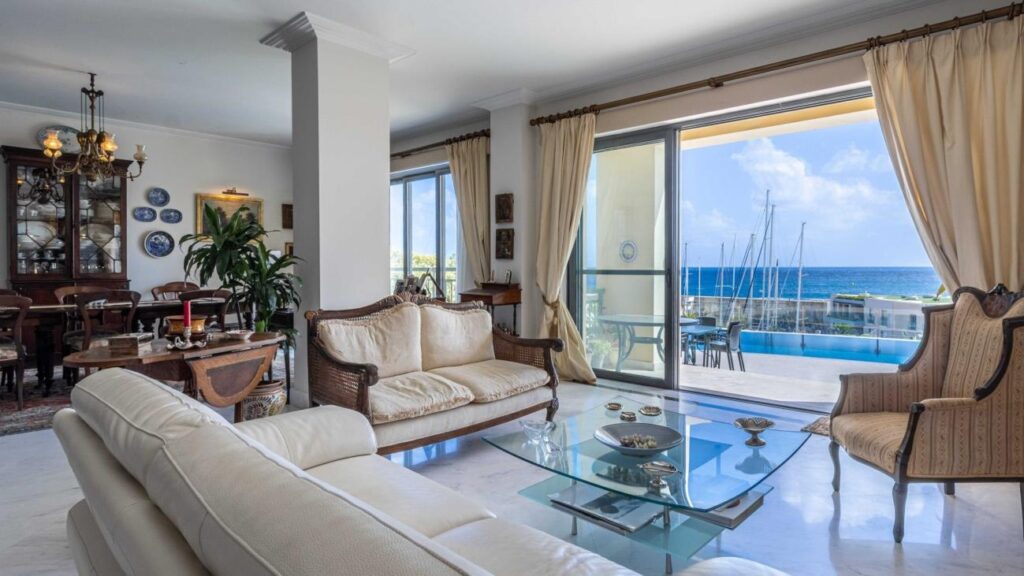
Properties located within Special Designated Areas (SDAs) often attract a specific segment of tenants.
These developments, typically located in prime areas such as Sliema and St Julian’s, offer modern amenities, managed environments, and proximity to business and lifestyle infrastructure.
As a result, they are frequently positioned toward the higher end of the rental market, appealing to expatriates and professionals seeking convenience and quality.
A Market Influenced by Practical Considerations
While rental demand in Malta is supported by strong fundamentals, outcomes are influenced by several practical factors, including:
- Property location
- Quality and condition of the asset
- Proximity to business and transport hubs
- Market timing and pricing strategy
These elements often have a greater impact on rental performance than broader market trends alone.
Understanding Rental Dynamics Within a Broader Context
For internationally minded buyers, rental demand in Malta is best viewed as one component of a wider property decision.
While the market offers consistent activity and relatively strong demand in key areas, rental outcomes are inherently linked to how a property is selected, positioned, and managed.
As with many aspects of property ownership, understanding the underlying dynamics is more valuable than relying on simplified assumptions.
A Complement to Property Ownership
Malta’s rental market reflects the country’s broader economic and demographic environment: stable, internationally connected, and supported by consistent demand.
For some buyers, rental income forms part of the rationale for property ownership. For others, it provides flexibility within a broader lifestyle or long-term planning strategy.
In either case, the rental market plays a meaningful role in shaping how property is evaluated within Malta.
At Latitude, we support clients in understanding how property ownership in Malta fits within a broader set of considerations, including rental dynamics, location selection, and long-term planning objectives.
To learn more about Malta’s property market, or to explore how ownership may align with your plans, get in touch with us.
Click here to read our article Malta Property Hotspots: Where International Buyers are Focusing. Click here for a guide to Buying Property in Malta.